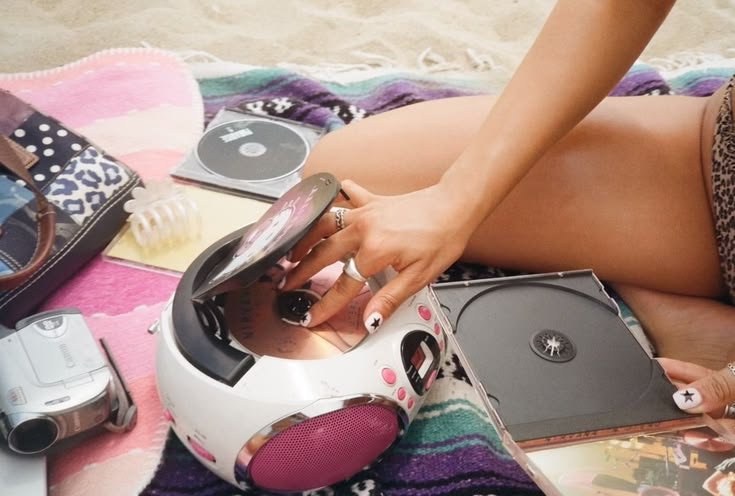

Over the past decade, the 2000s have been growing more and more prevalent in our everyday lives. Low-rise jeans, layered camisoles, and Juicy Couture tracksuits have all become common staples in plenty of women’s closets, alongside retro cameras, shoes, and handbags. Movies and actors from these times are getting massively popular and modern TV shows are even set during this time, bringing its fashion, music, and culture to a whole new generation.
All of this fuss around this time begs the question—does nostalgia really sell?
If you look on Amazon, one of the most common things you’ll notice in the caption for an item is “Y2K” or “2000s.” And people will buy it, even if it isn’t authentic or even similar to the fashion of the time. It seems that just having an association with the decade makes people want it more. The same can be said for countless brands and companies, many of which have begun bringing back discontinued products or rereleasing old collections because they know there’s an audience waiting for them.
It’s not just fashion that’s making a comeback, though. Hollywood has spent years rebooting beloved movies, creating sequels decades after the originals, and adapting classic stories for modern audiences. Streaming services have also made it easier than ever to revisit old TV shows, introducing them to viewers who weren’t even born when they first aired. At the same time, younger generations have become fascinated with things they never experienced firsthand, from flip phones and digital cameras to magazines and DVDs.
But why are people so drawn to the past?
Part of it comes down to comfort. The world changes so quickly that familiar trends can feel reassuring. Whether someone is reliving their childhood through an old TV show or discovering early-2000s fashion for the first time, nostalgia creates a sense of familiarity. Even people who never lived through the era often idealize it because of the way it’s portrayed online. Pinterest boards, TikTok edits, and aesthetic Instagram accounts present the 2000s as a simpler, more glamorous time, making it easy to see why so many people want to recreate it.
That doesn’t mean nostalgia is always a bad thing. Bringing back old trends gives people a chance to appreciate styles and media they may have missed the first time around. However, it can also make it harder for new ideas to stand out. When fashion brands, movie studios, and even social media trends constantly look backward for inspiration, it’s easy to wonder if originality is slowly taking a back seat.
At the end of the day, nostalgia absolutely sells, and companies know it. Whether it’s a pair of jeans, a movie remake, or a digital camera, people are drawn to things that remind them of another time, or make them wish they had experienced it. As trends continue to cycle faster than ever, one thing seems certain: the past isn’t staying in the past anytime soon.


Discussion
0 CommentsShare your thoughts — every perspective adds value.